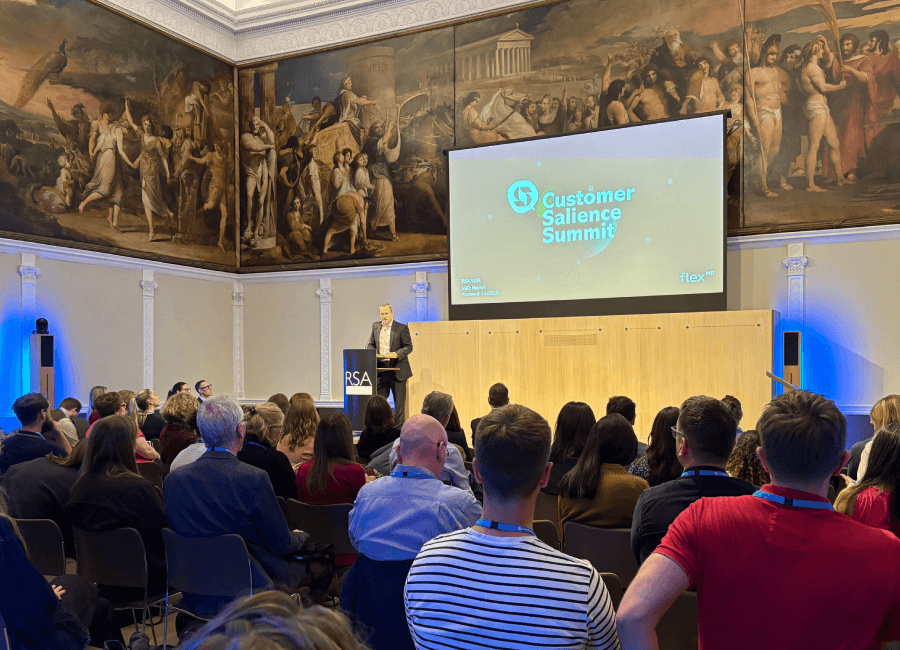
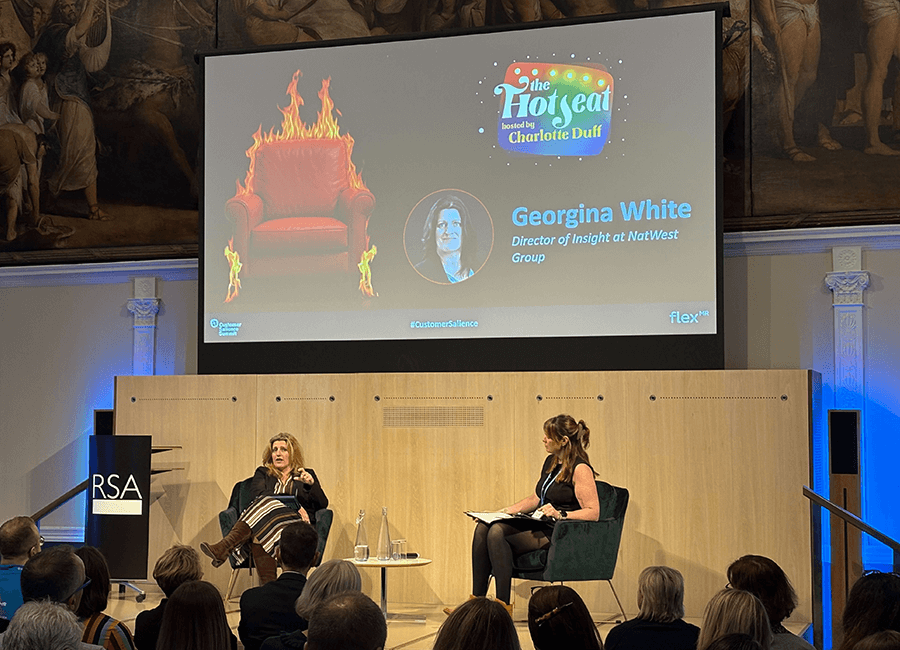
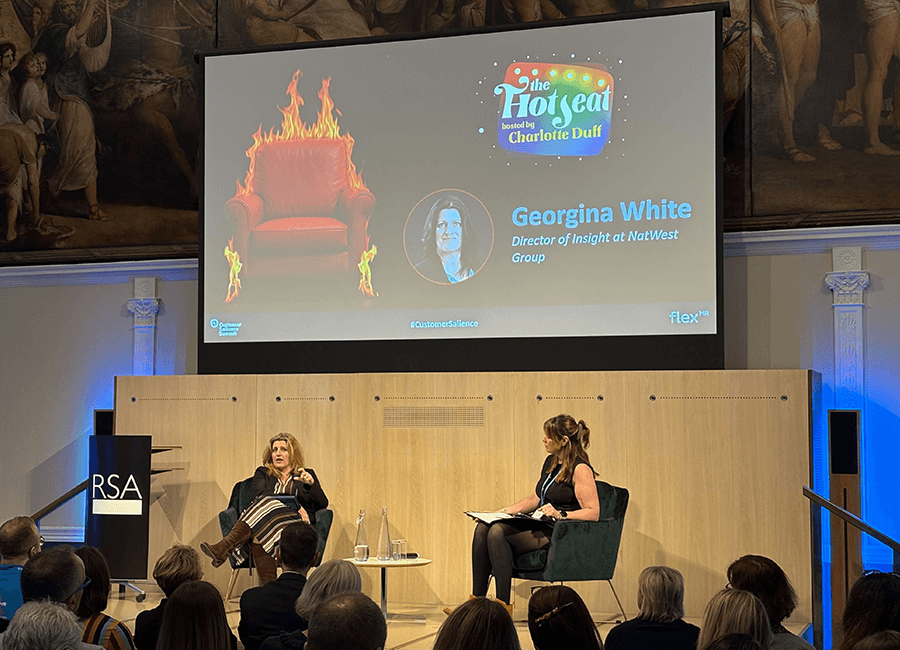
After a day of inspiring presentations and workshops, we asked attendees of the 2025 FlexMR Customer Salience Summit a simple question. When you leave here, what will you do differently based on what you learned today?

After a day of inspiring presentations and workshops, we asked attendees of the 2025 FlexMR Customer Salience Summit a simple question. When you leave here, what will you do differently based on what you learned today?
They are actively exploring places that can provide them with flexibility, comfort, and true productivity. This is not a mere fad but a radical shift in priorities, and companies must adapt to recruit and retain top talent.
Flexibility: Beyond the 9-to-5
The strictness of the conventional 9-to-5 working routine has become a thing of the past to many. The need to be flexible is more than paramount, as it includes the possibilities of working at home or having flexible working hours.
The COVID-19 pandemic manifested the rapid acceptance of remote work, which demonstrates that in most cases, physical appearance is not a success factor. It has presented a new opportunity especially to the job seekers in Nigeria where there has been a marked growth in opportunities of remote jobs in Nigeria. This has given the professionals a wider scope of employment including positions in foreign companies where compensation is in foreign currency, as a lifeline against domestic economic strains.
But, flexibility is not a one-size-fits-all. A hybrid model (a combination of working at the office and working remotely) seems to be the solution to most of them, as it offers the flexibility of working at home and at the same time, provides face-to-face collaboration. To some, a shortened work week or flex time where employees are allowed to choose their own hours is the solution to personal and work life.
Recruitment in Nigeria has a new face now and it’s beaming towards better conditions for job seekers in terms of flexibility. Organisations that appreciate and provide these diverse types of flexibility are realising competitive advantage in the contemporary Nigerian and the U.S. recruitment market. They are aware of the fact that trust and autonomy are strong rewards, which contribute to increased job satisfaction and reduced turnover.
Comfort Is More Than a Cushioned Chair
By comfort, job seekers are referring to a much broader concept than a physical office set-up. This has been applied to the new definition of workplace comfort which encompasses psychological safety, supportive culture and holistic management of the employee well being.
A comfortable workspace is one in which the employee feels important, appreciated and heard. This is where there is an inclusive space in which diversity is valued and where any person from anywhere will be able to succeed.
There should be some security in a country like Nigeria where the job market may be fiercely competitive, particularly when the future professional enters a graduate trainee programme. Candidates would like to be assured that their employer cares about their development and they will be provided with a stable and ethical working environment. During the recruitment process in Nigerian markets and beyond, questions from candidates reveal these priorities and they are cues employers should take note of.
It is the companies that are more focused on mental health programs and offer access to professional growth and create a culture of open communication that shines. These are the attributes that create loyalty and make professionals comfortable enough to present their best and real selves to work on a daily basis.
Productivity Is About Purpose, Not Just Work
Contemporary employees do not feel satisfied with clock in and clock out. This is propelled by the need to have meaningful work, and the feeling of purpose. This is because they desire to be productive in a manner that does not make them feel merely busy. Several interviews during recruitment in Nigeria and in the diaspora reveal that talent actually want more.
Employers who offer their staff the appropriate tools, resources, and confidence to achieve their objectives are the ones who will reap the highest benefits. This is through providing the employees with ownership of their projects and contributing a clear vision of how their work is building the greater picture of the company.
In the current global market, where companies have to grapple with various challenges, it is important to come up with engagement strategies that ensure that teams remain motivated and productive.
This may comprise the routine use of the feedback loop, cross-functional teamwork, and the use of small successes. An effective team is not established on working long hours, but rather through intelligent effective work which can be backed up by a well established foundation of trust and respect.
This drive of meaningful output can be seen in the nature of the jobs that are regarded as the best paying jobs in Nigeria and other markets. Technology jobs, in particular, can also be quite well-compensated besides the opportunity to work out a complicated, real-life problem.
In the same way, medical, legal, and engineering jobs are also desirable since they provide an immediate channel of making a hands-on change. It is a trend where job seekers are now prepared to accept a standardized, structured job in the place of one that will enable them to apply their talents to produce some real value.
Conclusion
Job seekers are no longer mere one-sided partners in a one way interaction. They are engaged collaborators who require a new form of social contract with their employers, which is mutual respect, trust and shared values.
Being flexible is the key that opens the door to a more balanced life, being comfortable is the basis to a sustainable career, and a focus on productivity is the purpose that drives professional development.For companies, it is not a decision, but an adjustment to new demands that will keep them afloat in a very competitive talent market. Recruitment in Nigeria is slowly but surely catching up to the demands of the global job market and the faster they adapt, the faster they onbaord and retain great talent.
WRITTEN BY SOPHIA YOUNG
The post Why Job Seekers Want Flexibility, Comfort, and Productivity at Work appeared first on Jobberman Nigeria.
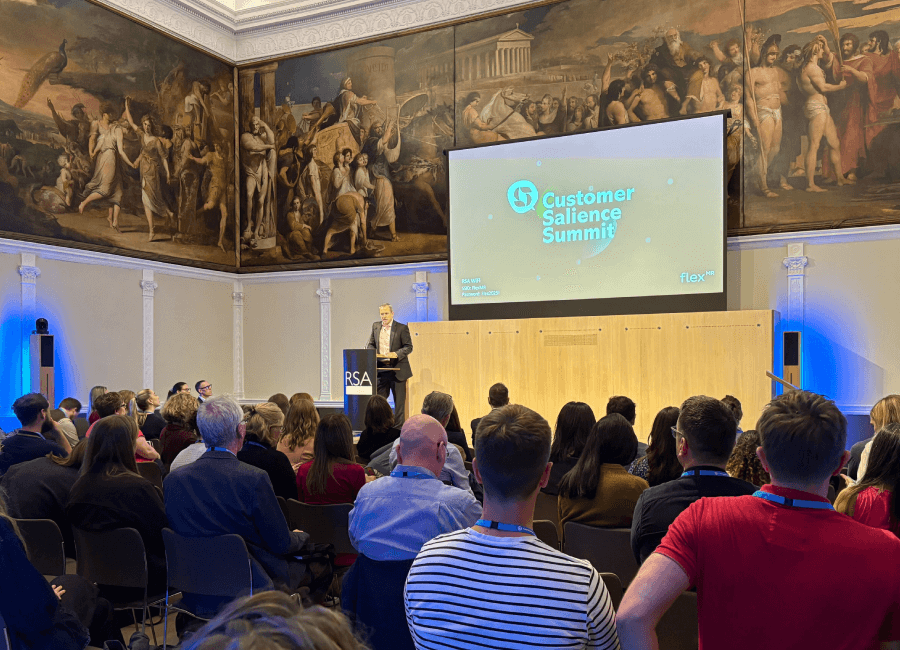
The Customer Salience Summit 2025 started with FlexMR’s CEO Paul Hudson saying that insight experts need to “challenge everything we do in our everyday work” if we are to have a chance at affecting change and embedding Customer Salience into any organisation.

The challenge is that growth is in people hence the need to continuously refresh your talent management skills and initiatives.
On Friday, the 26th of September, Jobberman Nigeria, Jobberman Nigeria in partnership with the Mastercard Foundation hosted the HR Fusion by Jobberman in Akwa-Ibom. The event features a theme exposition, and a breakout session.
Talks about talent management for business growth kicked off with the keynote speaker giving a thorough theme exposition.
During his keynote speech, Mr. Ide Owodiong–Idemeko noted that effective talent management begins with aligning people with business strategy, not just hiring talent but placing “the right people, in the right roles, supported in the right way.” He underscored that businesses in Akwa Ibom must treat talent as a strategic driver of growth, not an HR formality. The five pillars he outlined were strategic alignment, attraction, development, engagement, and technology, which form the foundation of sustainable business success.
He stressed that growth happens when organisations develop, empower, and retain talent through learning and engagement. Quoting Richard Branson, he reminded leaders to “Train people well enough so they can leave, treat them well enough so they don’t want to.” He urged HR professionals to act as business partners, leveraging technology, data, and inclusive strategies to build a workforce that fuels innovation, competitiveness, and economic transformation in Akwa-Ibom and beyond.
After the speech, there was a breakout session. Some of the highlights from the breakout sessions are as follows.
Hiring practices remain largely exclusive.
9 out of 10 employers do not actively seek to hire individuals from marginalised groups, despite the 5% quota requirement.
True inclusion requires shifting focus toward recognising the value and abilities these individuals bring to the workplace.
This lack of intentional recruitment often stems from misconceptions that hiring marginalised groups may affect productivity or require excessive accommodation. However, research and workplace evidence show that diverse teams are more innovative and resilient. By ignoring marginalised groups, organisations miss out on a wide pool of capable talent who could contribute significantly to business growth.
Breaking bias against people with disabilities.
Organisations must consciously work to remove mental biases against persons with disabilities (PWDs). Creating a culture that celebrates their contributions, for example, dedicating special recognition days, helps normalise inclusion.
Bias is often subtle, such as assuming PwDs cannot handle leadership roles or complex tasks. Changing this narrative requires both awareness campaigns and structural changes, like providing accessibility tools and training managers on disability inclusion. Celebrating contributions publicly also shifts the culture from sympathy to respect, reinforcing the idea that PwDs are assets, not liabilities
Creating safe spaces for women and PWDs.
Workplaces should establish fair systems to address harassment cases and ensure HR is equipped to respond appropriately. A culture of respect for all, men, women, and PwDs, should be visibly demonstrated at every level.
Beyond policies, organisations need practical mechanisms such as anonymous reporting systems, clear anti-harassment guidelines, and regular sensitisation sessions for all staff. Safety also extends to physical accessibility ensuring offices, facilities, and technologies are inclusive. When employees feel genuinely safe, they are more engaged, productive, and loyal to the organisation
Managers as role models of inclusion.
Managers play a central role in shaping behaviour within organisations. By modelling fairness and inclusivity, they set the tone for their teams. HR, as gatekeepers, must be intentional in how they lead so others follow.
Employees often take cues from their managers’ behaviour, meaning inclusivity must be demonstrated in everyday actions like assigning projects fairly, giving equal opportunities for promotion, and addressing bias in team discussions. Accountability is key: managers should be evaluated on their inclusivity as much as on their technical results. This ensures inclusion is not just HR’s job but a shared leadership responsibility
Recognition and employee experience.
Investment in employee experience, especially through recognition programmes for PwDs, reinforces a sense of belonging and motivates performance.
Recognition can go beyond awards. It includes creating platforms where employees with disabilities can showcase their skills, receive mentorship, and access growth opportunities. A supportive employee experience builds confidence and reduces turnover, while also signalling to external stakeholders that the organisation values inclusivity as a core principle.
Inclusive recruitment strengthens businesses.
Building recruitment systems that actively include young persons with disabilities creates more dignified workspaces while also strengthening businesses with diverse talent and perspectives.
An inclusive recruitment process widens the talent pool and fosters innovation by bringing diverse perspectives into problem-solving. It also strengthens the company’s reputation, making it attractive to socially conscious clients, investors, and partners. In the long run, inclusion is not only a moral imperative but a business advantage that drives sustainability and competitiveness.
With these tips and initiatives in place, businesses can effectively manage their talent and the ripple effect is growth across board.
Meanwhile, if hiring top talent that will drive business growth in your organisation has been challenging, let Jobberman come to your rescue.
We have over 3 million qualified candidates across several industries ready to be hired. You can hire for FREE by listing your vacant roles on our platform.
POST JOBS FOR FREE
You can also train the talent you have to do much better with our FREE Soft Skills training.
CHECK OUT OUR FREE TRAINING
If you require assistance of any kind in recruitment, feel free to speak with our representative by sending an email to info@jobberman.com.
The post Top Timeless Tips in Talent Management for Business Growth – Excerpts From the 2025 Akwa-Ibom HR Fusion appeared first on Jobberman Nigeria.